What do 3mg, 6mg and 12mg nicotine pouches mean?
3mg, 6mg and 12mg describe the stated nicotine content of a pouch, usually measured in milligrams per pouch. In simple terms, 3mg is a lower strength, 6mg sits in the middle, and 12mg is a stronger option. The number tells you how much nicotine is listed for each pouch, not how strong the flavour will taste or how noticeable the pouch feels in the mouth.
Nicotine pouch strengths are one of the main ways adults compare products, alongside flavour, pouch size and format. A clear strength label helps make sense of products from different brands, though the number alone cannot predict the exact experience for every person. Tolerance, how often a pouch is used, and whether a person already uses nicotine all affect how a strength feels.
What the mg number refers to
The mg figure is the amount of nicotine stated for one pouch. It is not the same as the nicotine content of a whole tin, and it is not a measure of flavour intensity. A mint pouch and a fruit pouch with the same mg number contain the same stated amount of nicotine, even if one tastes cooler or sharper than the other.
Some products also show nicotine concentration as mg per gram. That can make comparison harder, because pouch weights vary. If one tin lists mg per pouch and another lists mg per gram, look for the stated pouch weight before comparing them. When both list mg per pouch, the comparison is more direct.
It is also worth reading the wording on the pack carefully. A label may show total nicotine, free nicotine, or nicotine per gram. Those terms are not interchangeable. For a general comparison, mg per pouch is usually the simplest figure to work from, provided the pack states it clearly.
Where 3mg fits
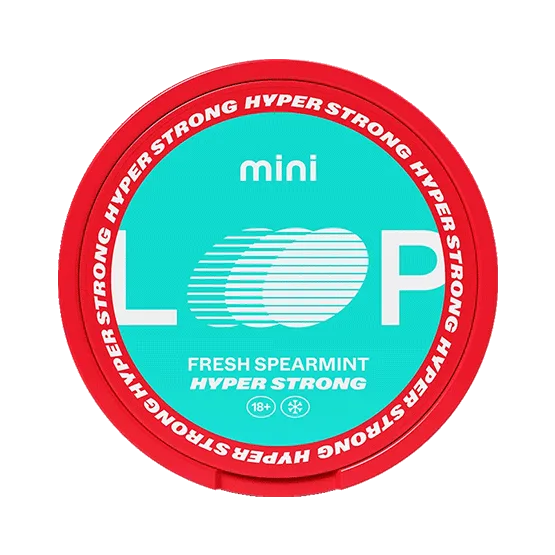
A 3mg pouch is generally treated as a lower strength option within the nicotine pouch category. It may suit adults who want a modest amount of nicotine, or those who are comparing lighter strengths from a range of brands. It can also be a useful reference point when someone is trying to understand how the numbers relate to one another.
Lower strength does not mean nicotine free. Nicotine is an addictive substance, and a 3mg pouch is still intended for adult use. For someone with little or no tolerance to nicotine, even a lower strength may feel strong. For someone with a higher tolerance, 3mg may feel mild. The label gives a quantity, while the personal response is a separate matter.
Flavour can shape the impression here. A strong tasting mint or a sharp citrus may make a lower strength pouch feel more forceful than expected, even though the nicotine amount is unchanged. That is why strength and flavour are best considered together rather than as isolated details.
Where 6mg fits
6mg is often viewed as a middle strength. It sits between the lower 3mg option and the stronger 12mg option, which makes it a common point of comparison for adults trying to judge the scale. If a brand offers several strengths, 6mg usually represents a step up from 3mg without moving to the top end of the range.
For a practical comparison, think of the numbers as a simple ladder. 3mg is the lightest of the three, 6mg is mid range, and 12mg is the strongest. That does not mean 6mg will feel exactly twice as strong as 3mg for every person. Nicotine effects do not always scale in a neat, linear way, and individual tolerance varies.
Some adults choose a middle strength because it gives them a clear reference point when moving between brands. Nic Pouch uk nicotine pouches sit within a market where products are commonly organised by strength and flavour, and that makes the mg number a useful sorting tool. Even then, two products with the same number can feel different because of pouch size, moisture, flavour and how the nicotine is released.
Where 12mg fits
12mg is a stronger option among the three figures being discussed. It is typically chosen by adults who are looking for a higher stated nicotine amount per pouch. It should not be treated as a starting point for someone who does not already use nicotine, and it is not a product for young people or non smokers.
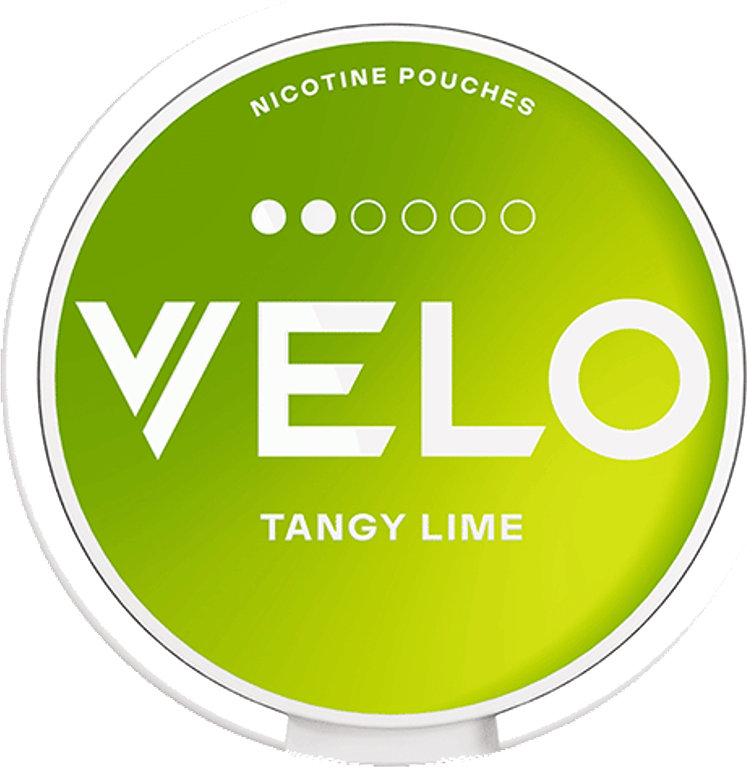
A higher number can also make the same flavour seem different. A 12mg mint may feel more intense than a 3mg mint, not only because of nicotine but also because the overall sensation can seem fuller. This is one reason product descriptions often list strength separately from flavour. The two details work together, but they answer different questions.
When comparing 12mg products, check whether the figure is per pouch. If the label only gives a concentration, the amount in one pouch may not be immediately clear. This matters because people often compare one pouch at a time, not one gram of pouch material.
Strength is not the same as quality or value
A higher mg number does not mean a product is better made, fresher, or more suitable. It simply describes one aspect of the product. Flavour choice, pouch comfort, size and personal preference can matter just as much. A product that seems strong on paper may not be the right fit if the flavour is not enjoyable or the pouch format feels awkward.
This is where browsing by strength and flavour can help. A UK online retailer such as Nic Pouch uk offers nicotine pouches from more than 30 brands, organised by strength and flavour for adults aged 18 and over. That kind of structure makes it easier to compare like with like, especially when the same flavour appears in more than one strength.
Nic Pouch uk nicotine pouches can be considered in the same way as other products in the category: start with the stated strength, then look at flavour and format. The aim is not to chase the biggest number. It is to understand what the number means and choose within the limits that feel appropriate for an adult nicotine user.
How to compare strengths without overthinking it
A simple approach works best. First, check whether the nicotine figure is per pouch. Second, note where it sits on the 3mg, 6mg and 12mg scale. Third, compare products with a similar flavour or pouch format so that one variable changes at a time. This keeps the decision grounded in the label rather than in vague impressions.
It also helps to remember that tolerance can change how a strength feels. Someone who uses nicotine regularly may respond differently from someone who only uses it occasionally. Effects can also depend on timing, recent nicotine use and general sensitivity. No mg figure can account for all of those factors.

Nicotine should be kept away from children and pets, and pouches are not a product for young people. Adults who do not use nicotine should not start. People who are pregnant, breastfeeding, or managing a health condition should seek medical advice before using nicotine products. Nicotine can be addictive, so strength labels deserve careful attention rather than a quick glance.
A quick reading of the three numbers
If you only remember one thing, let it be this: 3mg, 6mg and 12mg are stated nicotine amounts per pouch, arranged from lower to higher. They do not describe flavour strength, pouch size or product quality. They give a starting point for comparison, then the rest of the label fills in the picture.
For adults comparing nicotine pouch strengths, the most useful habit is to read the pack in full. Look for the mg figure, confirm whether it is per pouch, check the flavour, and note the pouch format. That turns a row of numbers into something practical, and it makes products from different brands easier to understand without assuming that one strength suits everyone.